

Book Dr. Elouise
Dr. Elouise brings a rare combination to any stage: more than a quarter century of management consulting, a PhD in history, and a front-row seat to the AI revolution transforming enterprise. Her talks are known for dry wit, unexpected historical parallels, and an unsettling clarity about what’s actually coming — and what leaders need to do about it.
Demo Reel
Keynote Topics
.png)
What I've Learned Teaching AI to People Over 40: The True Generational Gap
It's Not About Technology. It's About Identity.
KEY POINTS
-
The generational divide in AI isn’t about digital literacy — it’s about professional identity and the threat of obsolescence
-
Why people over 40 resist AI differently than they resisted prior technology waves
-
What actually works: the adoption patterns that cut through resistance
-
The hidden cost of “change management theater” in AI rollouts
-
What your organization’s AI adoption strategy is probably getting wrong
For event planners: The most expensive AI problem isn’t the technology — it’s the 52-year-old VP who’s decided they’ve already learned enough.
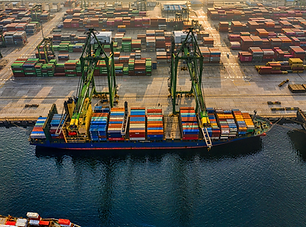
The Future of Business in the AI Era: What History Tells Us About This Moment
Every Revolution Has a Precedent. This One is No Different.
KEY POINTS
-
Why the AI era is better understood through logistics history than Silicon Valley narratives
-
WWII as the first war won by supply chain — and what that tells us about who wins the AI era
-
The pattern: every transformational technology destroys incumbents who bolt it onto existing systems
-
What “AI-native” actually means vs. what companies think it means
-
The decisions leaders make in the next 24 months that will determine the next 20 years
For event planners: History doesn’t repeat — but it does leave very clear instructions

War and Supply Chains: How Logistics Wins and Loses Wars — and Businesses
Victory Doesn't Go to the Strongest Army. It Goes to the Best Supply Chain.
KEY POINTS
-
The military logistics history that predicted modern enterprise failure modes
-
WWII, the Gulf War, and Ukraine — what each conflict reveals about the relationship between logistics and outcomes
-
Why the same vulnerabilities that defeat armies defeat businesses
-
The modern enterprise as a theater of operations: visibility, tempo, and decisive action
-
What great military logisticians understood that most supply chain leaders still don’t
For event planners: The general who wins isn’t the one with the best soldiers. It’s the one who can feed them, fuel them, and resupply them faster than the enemy.
